Neural Substrates for Modulation of Audition and Acoustic Behavior in a Vocal Teleost
Like humans, songbirds and frogs, certain fishes also use sound to communicate to one another, which includes the all important purpose of finding a mate. In order for courtship to be successful, both the sender and the recipient of the love song must be “tuned in” and motivated to respond in an appropriate fashion. The plainfin midshipman fish is an exceptional model organism to investigate how hormones and other chemicals interact in brain circuitry necessary for proper auditory-driven social function.
Acoustic Communication in a Noisy Environment
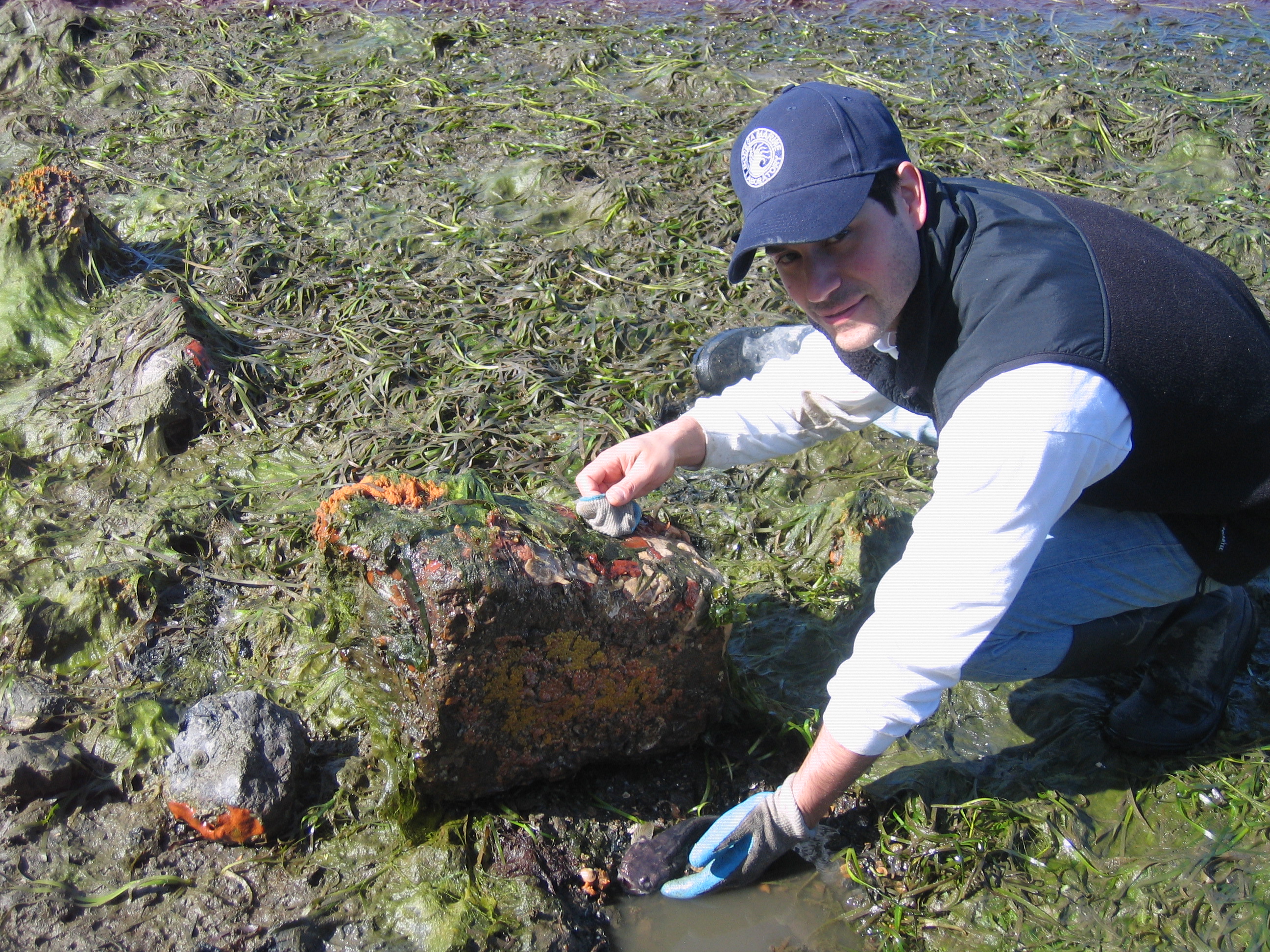
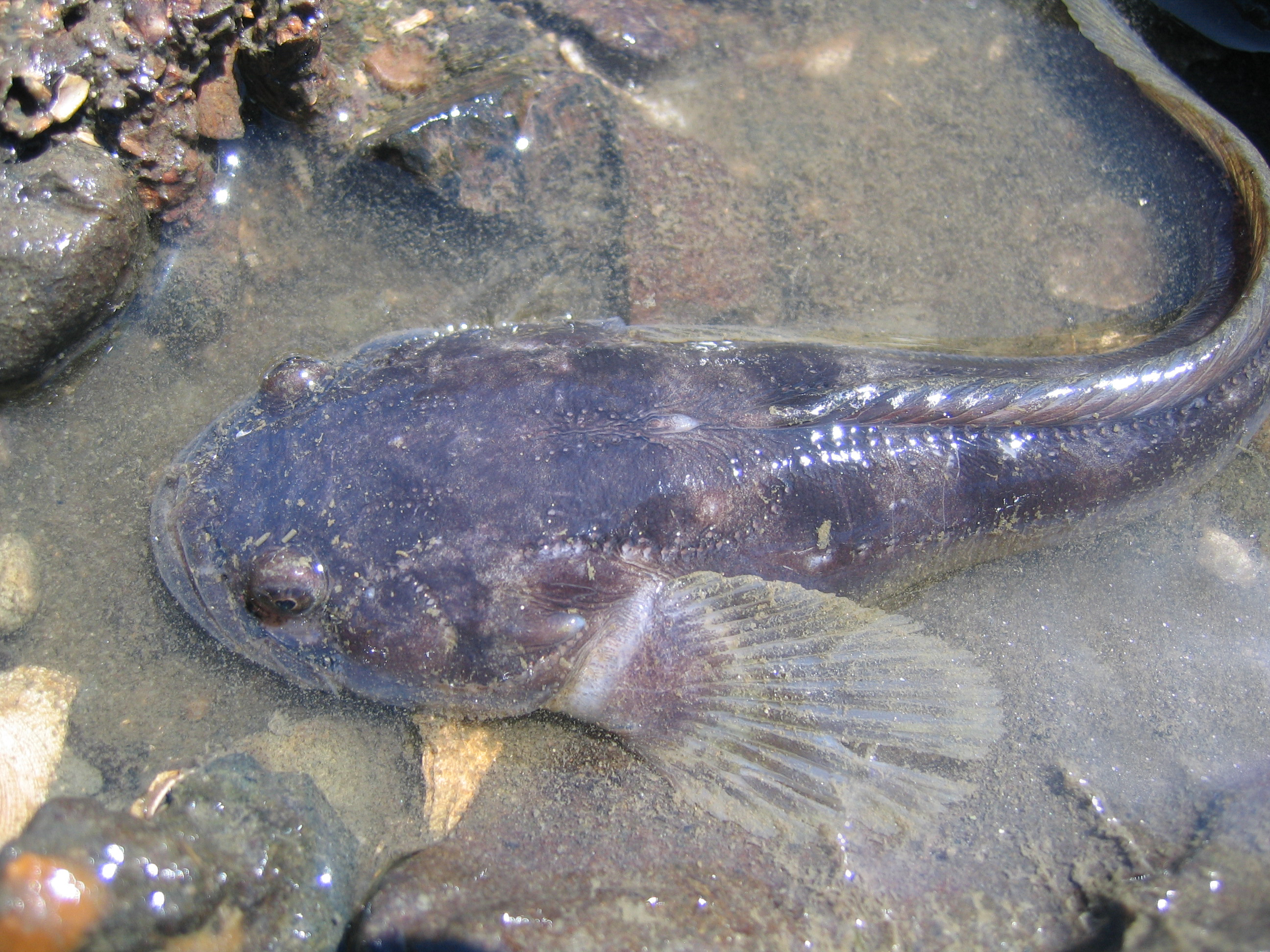
Organisms that communicate by sound must be able to extract behaviorally relevant social signals from a variable and often noisy environment. The port of New York / Newark is the 4th largest commercial port in the U.S. and along with numerous recreational marinas, make these urban waters a noisy place to live. Yet, these waters are abundant with oyster toadfish (Opsanus tau), a relative of the midshipman, which also uses sound to attract mates and defend territories. Current studies in the lab seek to investigate the behavioral and neural mechanisms for communicating and reproducing in variable underwater soundscapes.
General research questions and methodologies:
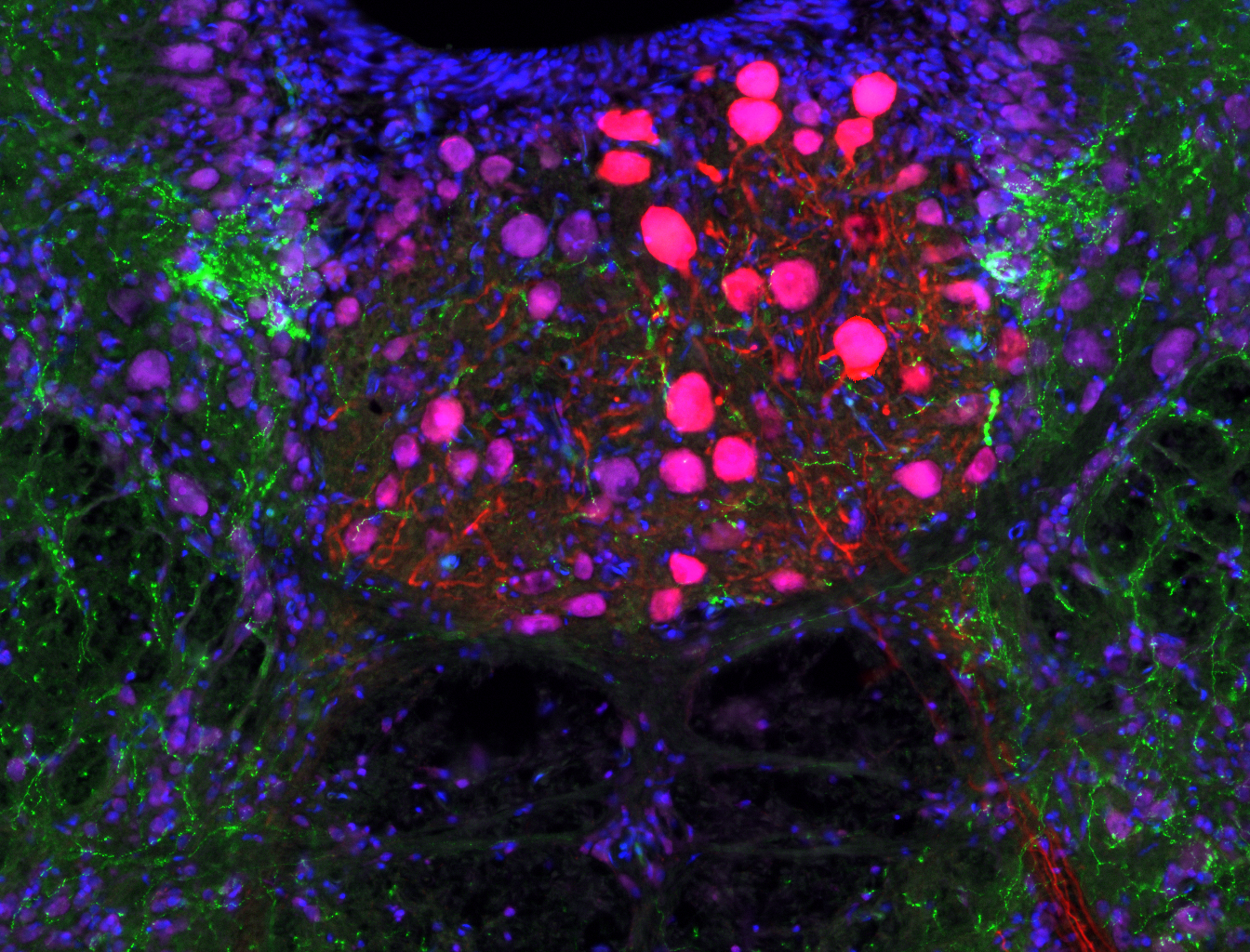
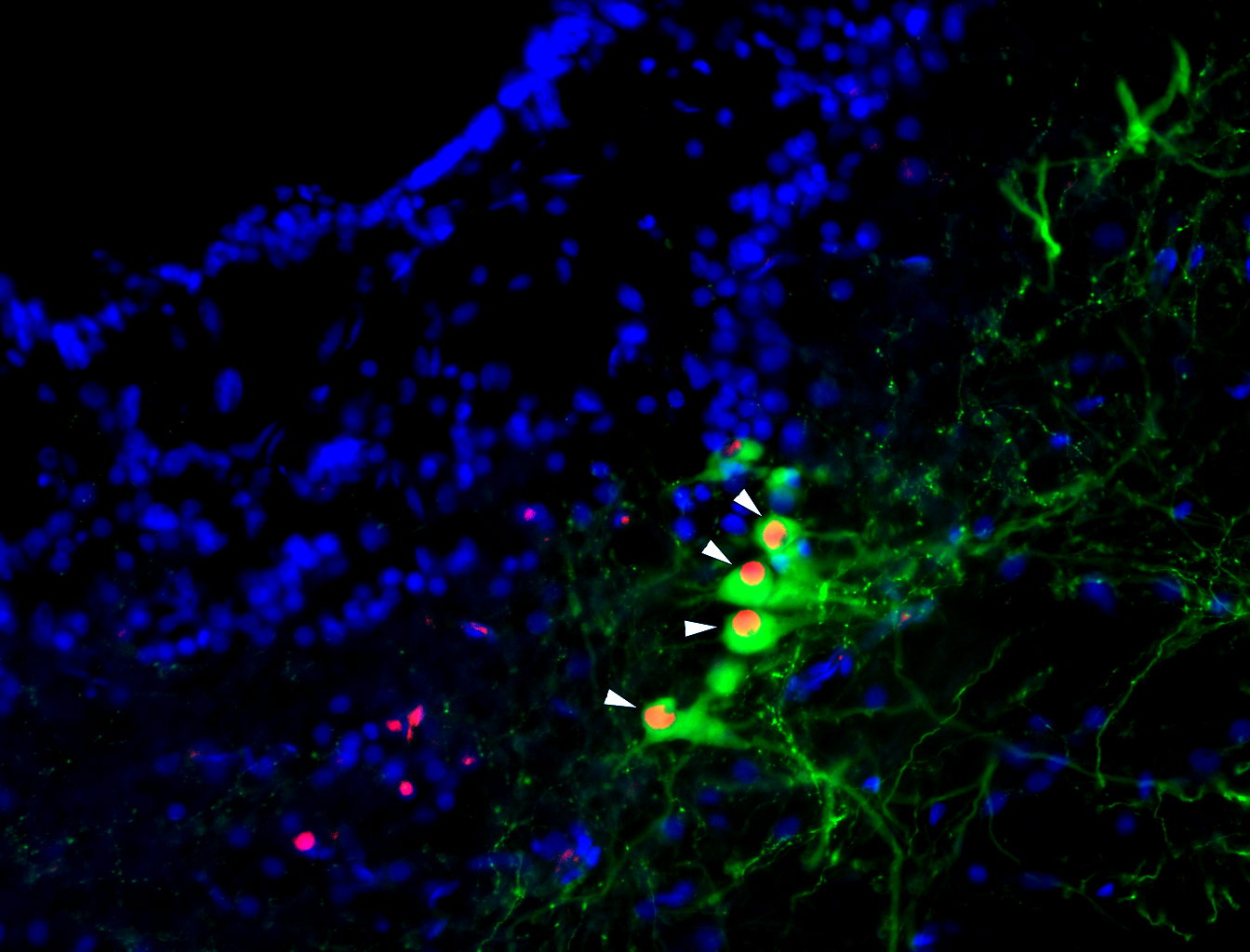
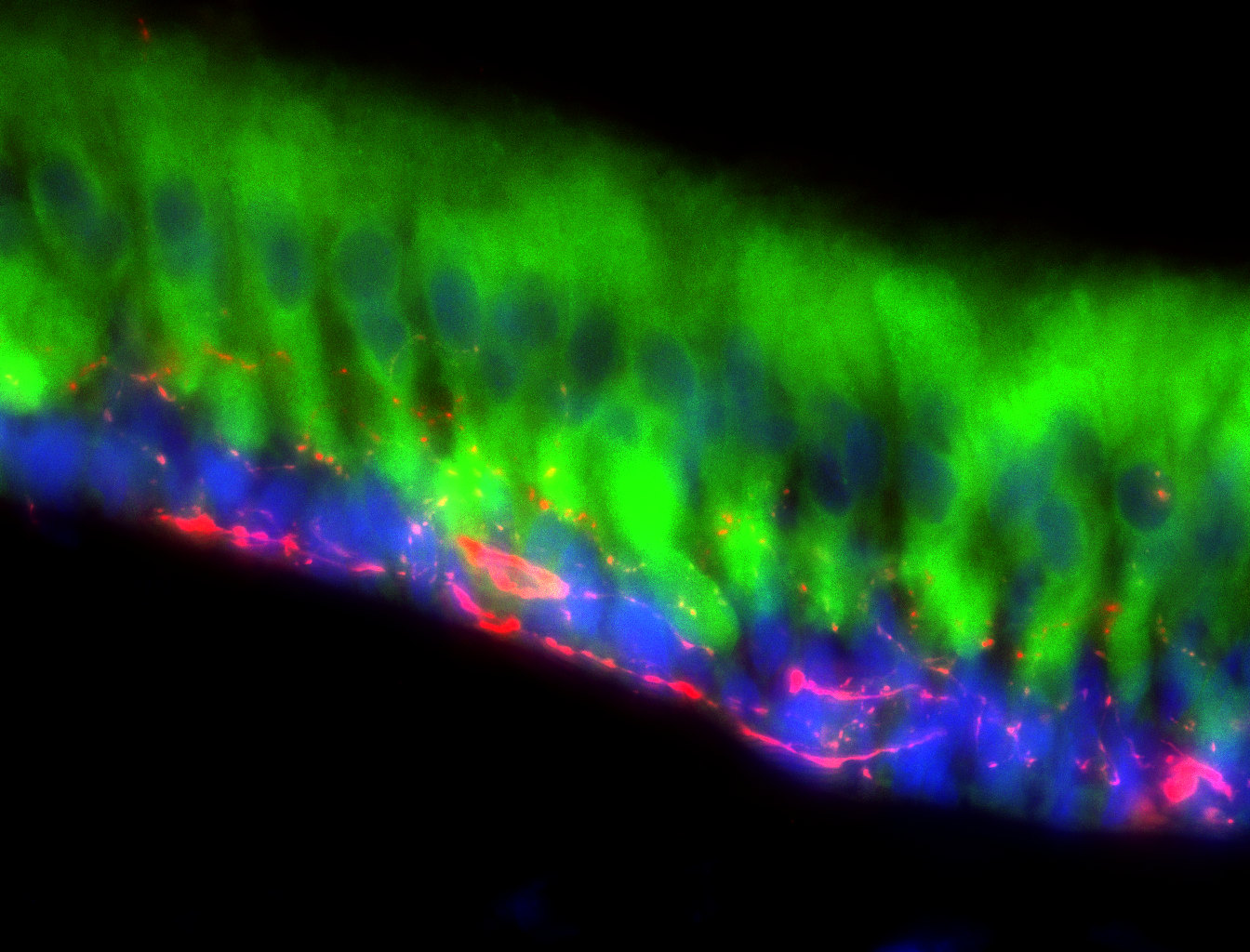
Using fish as model systems, my lab employs a combination of evolutionary/systems neuroscience with a cellular and molecular approach in order to identify neurochemical interactions in circuitry underlying auditory-driven social behavior, mechanisms of steroid-induced neural plasticity, and sex differences in brain and behavior. These studies largely focus on vocal, auditory and neuroendocrine circuits that are conserved across vertebrates. We utilize quantitative multi-fluorescent immunohistochemistry combined with neuroanatomical tract-tracing, brightfield, epifluorescence, confocal, and transmission electron microscopy, and gene expression studies using RT-PCR, real-time PCR and in situ hybridization. Behavioral studies are conducted in waterways surrounding New York City, at the UC Davis Bodega Marine lab, Friday Harbor Laboratories and at field sites on the Hood Canal, WA, in collaboration with Dr. Joe Sisneros (U. Washington).

Sources of Funding